

A thoughtful reflection on well-being through the lens of life’s journeys and milestones. The article explores how true fulfillment often lies not just in achievements, but in balance, reflection, and personal growth along the way.
✍️ Authored by Ketan Mankikar Vice President & Head, - Marketing, Communications & PR | Zuno General Insurance.
Mountaineering, for me, has never been about the summit. It has always been about listening, listening to the body when it asks for rest, to the mind when it drifts, and to the quiet wisdom that surfaces only when the noise of everyday life fades away.
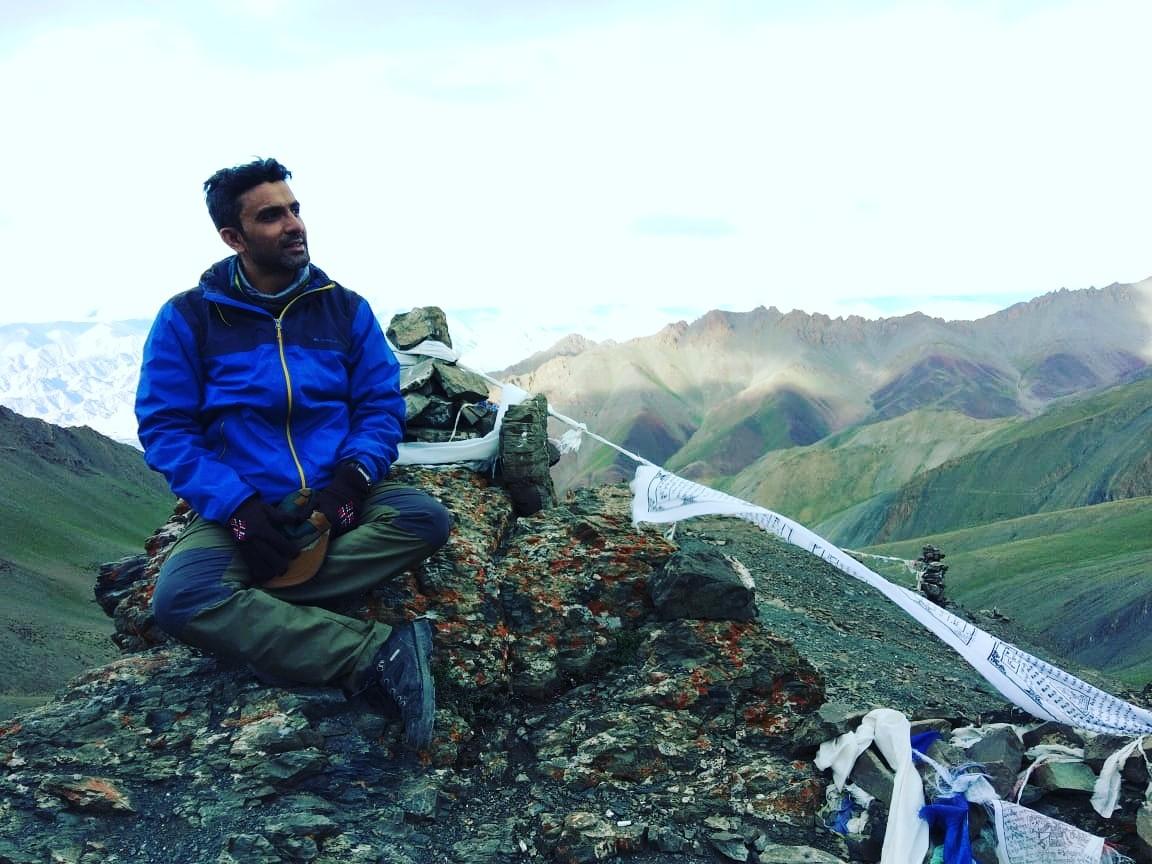
Stok Kangri, Ladakh (Used with author's permission)
The mountains have taught me that well-being is not something you arrive at. It is something you practice, step by step, often without realizing when the shift happens.
I didn’t arrive at the mountains searching for medals or milestones. Interestingly, I started trekking quite late in life. I can’t pinpoint the exact moment when I fell in love with it, because it didn’t happen all at once. It grew gradually, almost unnoticed, the way meaningful changes often do. What I remember clearly is starting small and trekking the Sahyadris during the monsoon. The rain-soaked trails, mist-covered ridges, and bursts of green felt pristine and generous. Nature wasn’t demanding my attention. It was quietly earning it.
The Karjat range became my familiar ground, partly because it was easily accessible, but mostly because it felt welcoming. Treks like Peth, Chanderi, Nakhind, Sondai, Peb, Irshalgad, Bhimashankar, and Garbett slowly shaped my relationship with the outdoors. Each trail offered something different, sometimes challenge, sometimes calm, often both. Beyond Karjat, the Western Ghats expanded that relationship further. Lohagad, Naneghat, Harishchandragad, Kalsubai, and the surreal beauty of Sandhan Valley added new dimensions. None of these experiences felt rushed. They unfolded gently and taught me to slow down long before I consciously decided to. What I didn’t realize then was that something deeper was taking shape.
In the mountains, resilience isn’t loud. It is quiet and persistent.
It is choosing to continue when the path feels endless, without knowing exactly how far you still have to go. There were days when the weather changed without warning, when plans had to be abandoned, and when progress meant simply staying steady rather than moving forward. Each time, I was reminded of something profoundly relevant to both life and work.
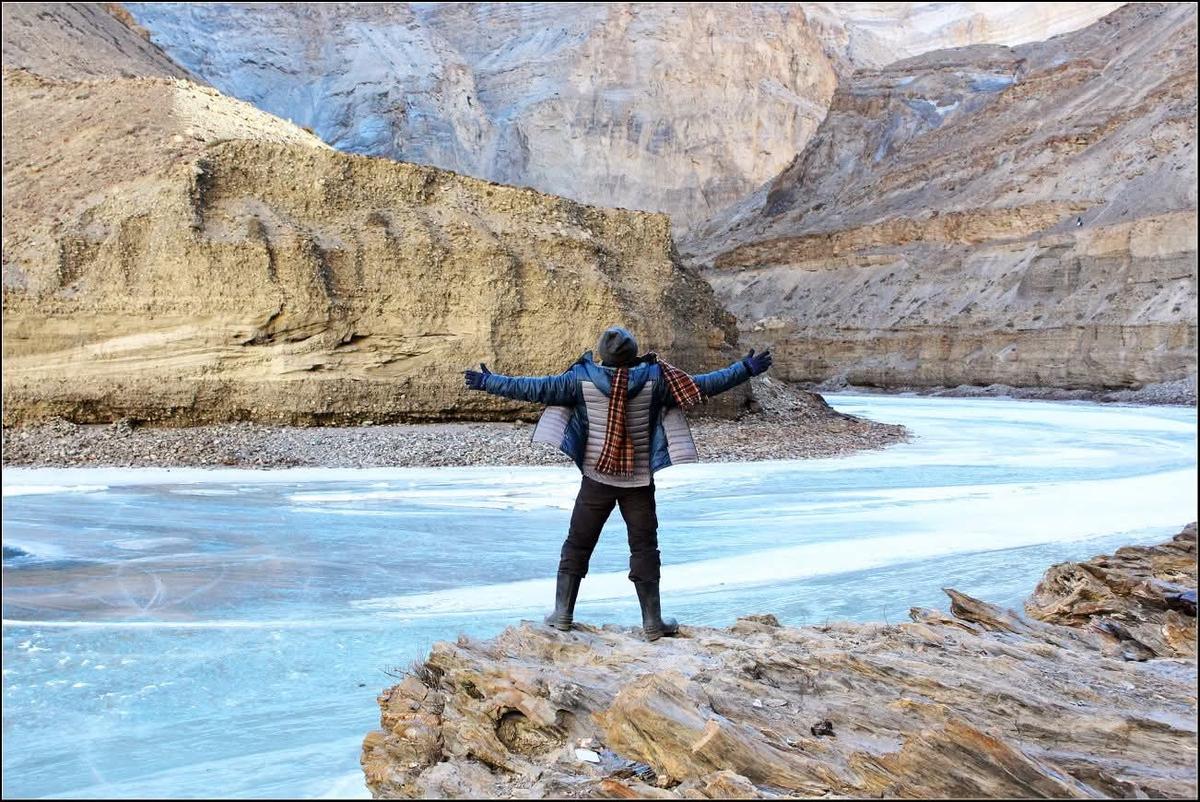
Chadar Trek, Ladakh (Used with author's permission)
Resilience is not about pushing harder all the time. It is about adapting without losing yourself.
My first Himalayan trek, the Chadar Trek, was a turning point. Walking on the frozen Zanskar River in Ladakh strips away all pretenses. There is no room for distraction, only attention. That experience quietly drew me toward the Himalayas, and Ladakh in particular. Since then, treks like Stok Kangri in Leh, the Hampta Circuit and Raghupur Fort in Himachal, and Kedarkantha in Uttarakhand have deepened that connection. Each landscape asked for respect rather than ambition, and awareness rather than speed.
Somewhere along these journeys, I understood something fundamental. Mountain climbing is not about conquering anything external. It is not a race, not a contest, and certainly not a checklist. It is a process of self-discovery, of exploring possibilities, confronting fear, and learning to trust yourself in unfamiliar terrain. As Australian mountaineer Greg Child beautifully said, “Somewhere between the bottom of the climb and the summit is the answer to the mystery why we climb.” That somewhere is where clarity emerges.
In the mountains, resilience reveals itself differently than it does in corporate language. It isn’t about relentless effort. It is about adjusting pace, listening to your body, and knowing when to pause. Weather changes, plans shift, and sometimes the most resilient choice is to turn back. This lesson has profoundly shaped how I think about well-being at work.
Strength does not always mean endurance. Often, it means discernment.
Uncertainty, too, becomes an ally. In everyday life, we try to eliminate it. In the mountains, it is simply part of the experience. You plan carefully, prepare thoroughly, and then accept what you cannot control. That acceptance reduces anxiety in a way no productivity hack ever could. It teaches you to stay present and to respond rather than react, a skill that translates seamlessly into leadership, teamwork, and personal balance.
Presence, patience, and perseverance are what help you climb the mountain called life.
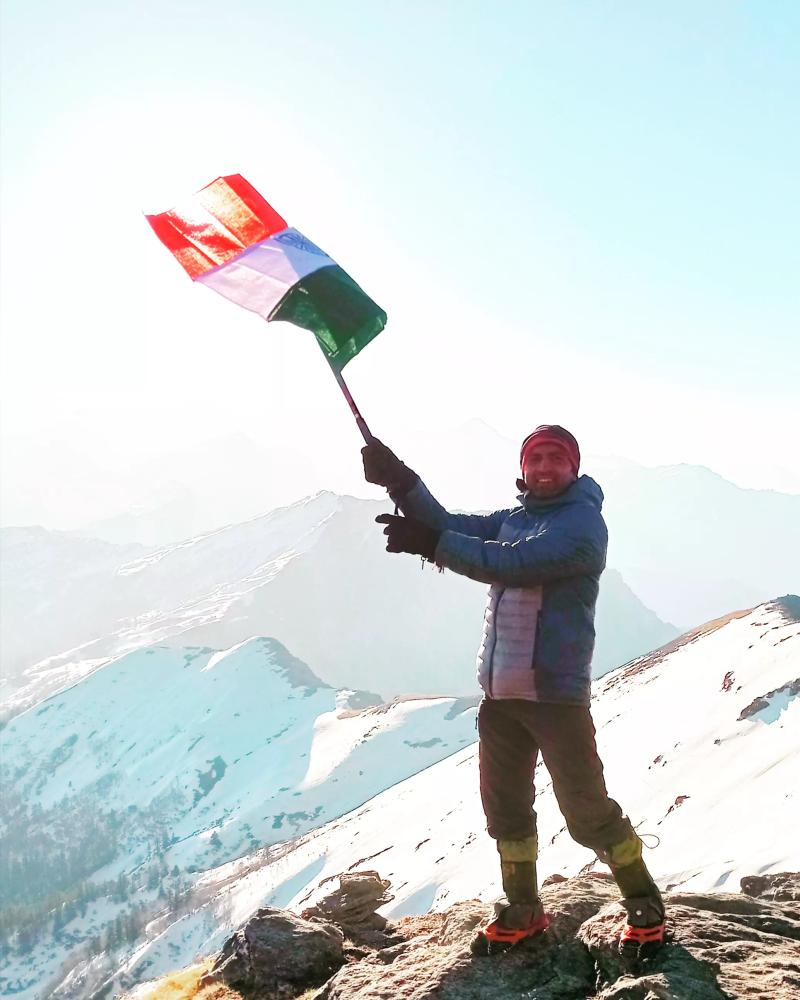
Kedar Trek, Uttarakhand (Used with author's permission)
Nature plays a quiet but powerful role in emotional grounding. Long stretches of walking, surrounded by open skies and natural silence, have a calming effect that words rarely capture. The mind slows down. Thoughts untangle. Stress loosens its grip. I often returned from treks feeling lighter, not because problems had disappeared, but because they had found their rightful scale.
Perspective, I have learned, is one of nature’s greatest gifts.
There is also a profound lesson in connection. While trekking offers moments of solitude, it is rarely a solitary pursuit. You move as a group, watch out for one another, adjust your pace, and share encouragement without ceremony. Trust is built quietly. This mirrors what healthy workplace cultures require. Not constant intensity, but mutual awareness and shared responsibility for collective well-being.
Perhaps the most personal lesson has been self-belief. Not the loud confidence of achievement, but the quiet trust that grows when you realize you can navigate discomfort. Doubt doesn’t disappear in the mountains. It walks alongside you. Over time, you learn not to fight it, but to acknowledge it and keep moving. That mindset has stayed with me far beyond the trails.
Sir Edmund Hillary’s words often return to me. “It is not the mountain we conquer, but ourselves.” The truth of that statement becomes clearer with every journey. The real transformation happens internally, in how we relate to effort, fear, patience, and purpose.
Not everyone needs to trek the Sahyadris or the Himalayas to experience these benefits. What matters is finding your own “mountain”, a pursuit that reconnects you with yourself, grounds you in the present, and reminds you that well-being is active, intentional, and deeply personal.
Your mountain might be time in nature, a creative practice, physical movement, or simply moments of stillness you fiercely protect. It might be something you return to regularly, or something you are only just beginning to explore. What matters is not how high it is, but how alive it makes you feel.
Well-being, like mountaineering, is not about arrival.
It is about the journey, the pauses, the recalibrations, and the quiet victories along the way. And if there is one enduring lesson the mountains offer, it is this.
You don’t need to rush to find clarity. You simply need to keep walking, with intention, toward what truly grounds you.