

A reflective piece on reconnecting with nature and stepping away from routine. The article explores how time in the wild can bring clarity, calm, and a renewed sense of perspective.
✍️ Authored by H Venkataraman Commercial Director | Protective and Country Manager | Indian Subcontinent, Sealed Air Corporation
Wildlife, for me, has been a journey of awe and awakening.
For years I used to be a passionate viewer of National Geographic and Animal Planet. I even bought fairly expensive Blu-Ray discs of the fantastic series Planet Earth. Having watched so many documentaries and videos, I was quite convinced that I had already “seen it all”.
Then something changed that perception completely.
On one of my trips to Africa, I happened to have a weekend in Kenya. In those early career, cash-strapped days, I decided to plan a trip to Nakuru National Park, which was relatively close to Nairobi and far more affordable than planning a trip to the more famed Masai Mara.
I went there carrying the same thought — that I had already seen everything on TV. But the experience of seeing animals live, right in front of me, was something entirely different.
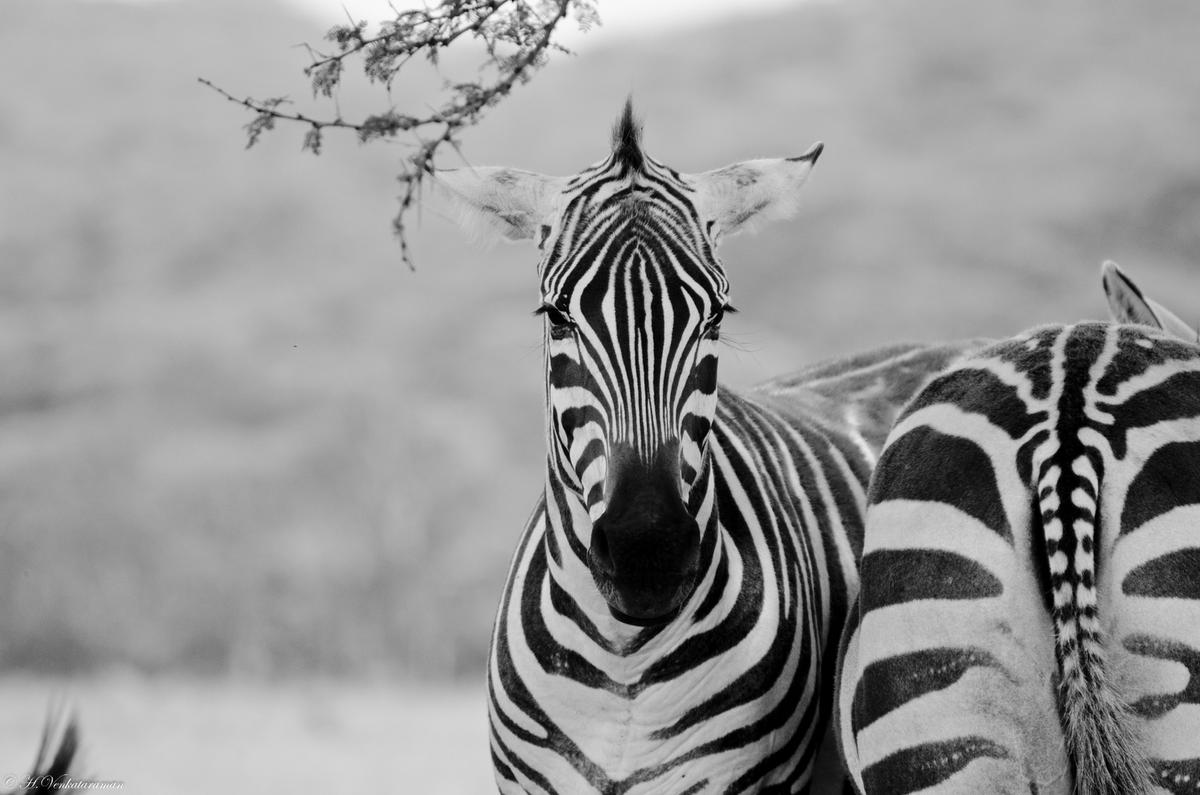
Copyrighted Image. From the author's personal collection.
No documentary, no matter how good the camera or how great the home theatre setup, can replicate the feeling of being close to such beautiful and scary animals in real life. That sense of proximity — of being part of their world rather than just observing it — is overwhelming.
It was my very first interaction with animals in the wild, and what a place to have that — Kenya, the heart of African wildlife, where one can see the famous Big Five: Elephant, Lion, Leopard, Rhinoceros and the African Buffalo.
That experience taught me something that has stayed with me ever since. Learn as much as you may from books and videos — but experience is the real thing.
Unless one does, unless one goes through something personally, one doesn’t truly know what it is all about.
It reminds me of the famous debate between Shankaracharya and the learned scholar Mandana Misra. After seventeen days of debate, Mandana Misra conceded defeat and became a sanyasi. However, his wife Bharati challenged Shankaracharya further. Shankaracharya could answer all her questions except those relating to kama — desire and attachment — because he had lived as a Brahmachari.
Not willing to concede defeat, he is said to have temporarily left his body and entered the body of King Raja Amaruka. Only after experiencing worldly life and sensual pleasures did he return and answer Bharati’s questions.
Even someone as learned as Shankaracharya needed experience to complete his understanding.
Lesson learnt: to truly learn about the world, one must go out and experience it.
The trip to Nakuru had sparked something in me — a curiosity about wildlife and a desire to photograph animals in their natural environment.
But life, as it often does, intervened. Family and other responsibilities meant it would be a long time before I could take another such trip.
My second chance finally came at Jim Corbett National Park.
It’s a must-visit destination for anyone interested in wildlife, as it is one of the few national parks in India where one can stay inside the park itself — in places like Dhikala and Jhirna.
It was an exhilarating experience. Hearing stories about tigers venturing near the guesthouses, listening to the stillness of the night suddenly broken by a tiger’s call, and spotting the shiny eyes of jackals near the electric fence at night — it all felt magical.
Ironically though, the trip itself was disappointing from a wildlife sighting perspective.
All that we managed to see was tiger faeces! : ) And I returned with the rather firm belief that seeing a tiger in the wild in India was perhaps a bit of a myth — and that the only guaranteed place to see one was the zoo.
Fortunately, that belief didn’t last long. The trip that truly changed everything came later — in Bandipur.
There, we had a brief but unforgettable encounter with a tiger at a distance. That moment immediately brought to mind the famous Salman Khan movie line — “Tiger Zinda Hai!”
From that point on, wildlife safaris and bird photography became a bit of a quest for me.
Since then it has been a series of trips — to Tadoba, Ranthambore, Bharatpur, Bhigwan, Mangalajodi, and more recently to Bandhavgarh.
Each trip has been different. Each has offered fantastic sightings and memorable moments that I will relive for the rest of my life.
Photography added another dimension to this passion.
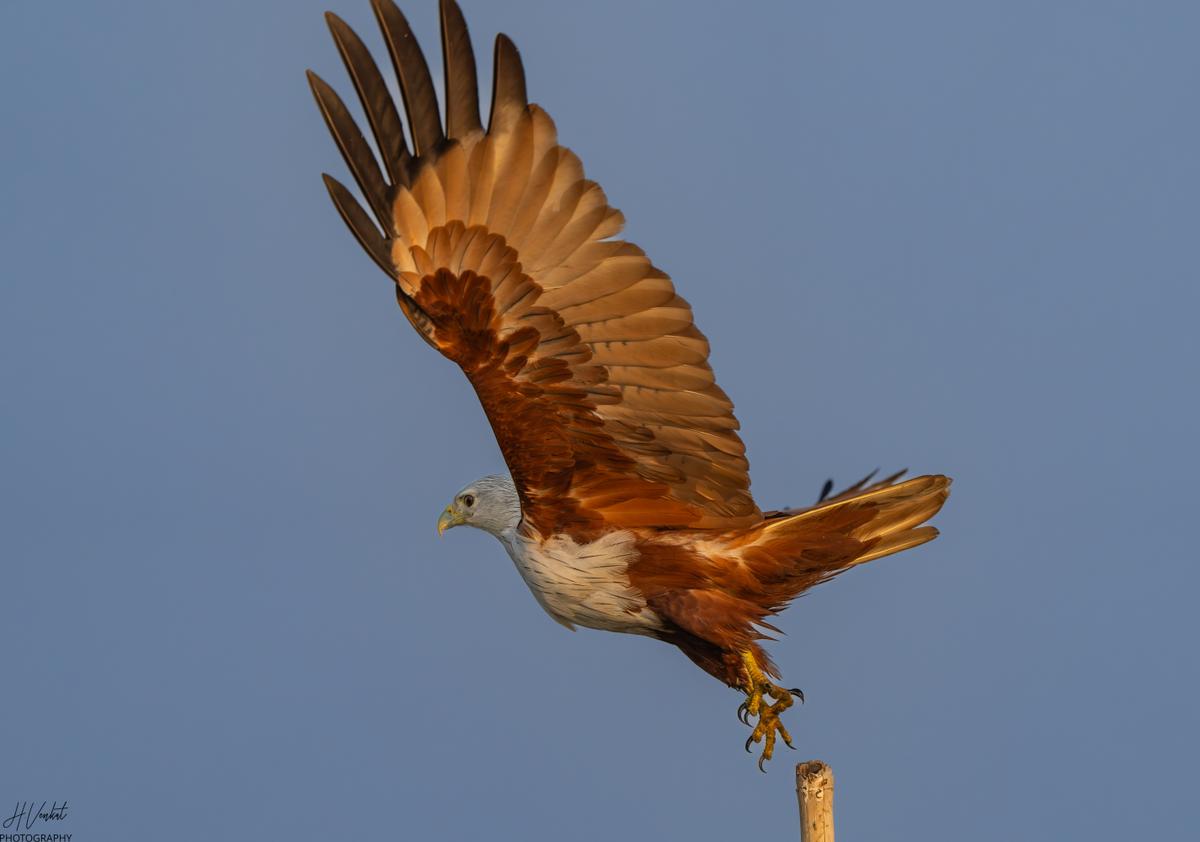
Copyrighted Image. From the author's personal collection.
Freezing those fleeting but magical moments and sharing them with family and friends lets me relive the magic — and if it tempts someone else to step away from screens and into the wild, even better.
Those who have experienced wildlife will know what it feels like to lock eyes with a tiger.
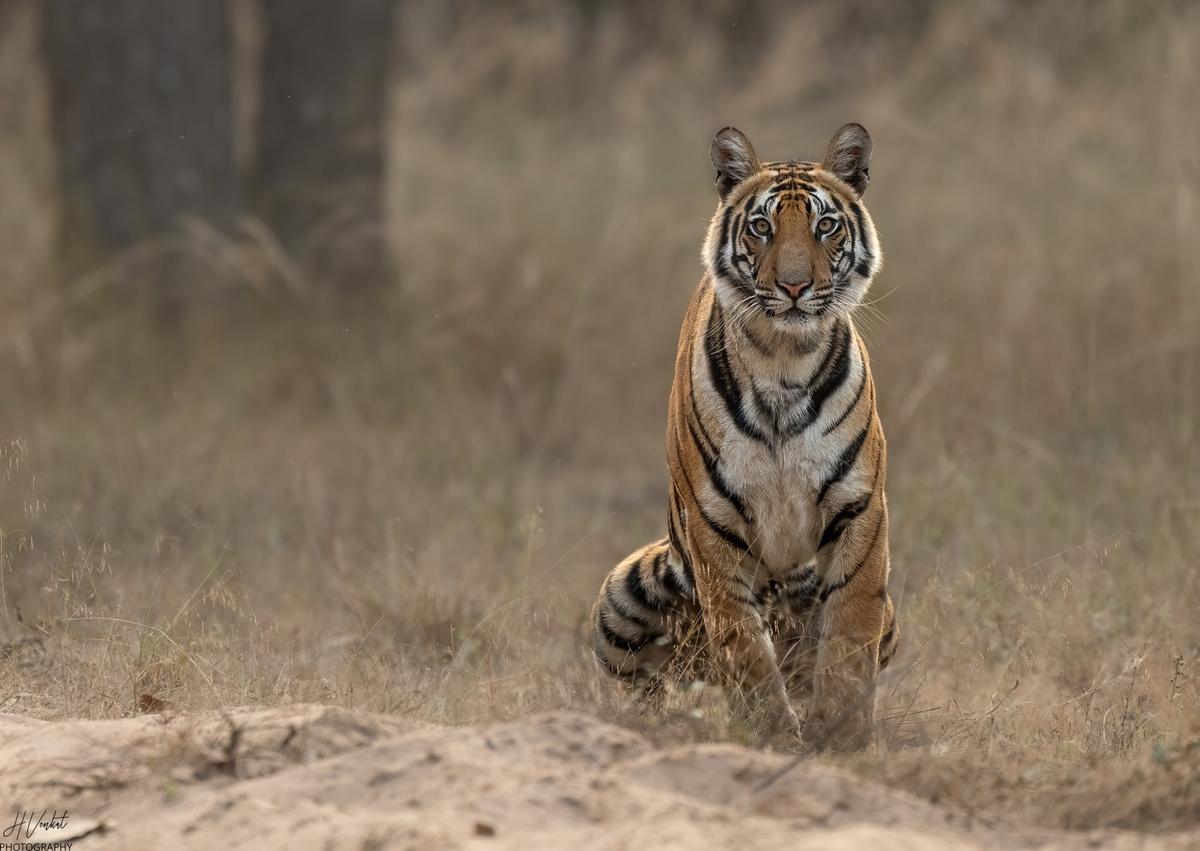
Copyrighted Image. From the author's personal collection.
It is almost as if the animal sees straight through you — right into your soul. Part mesmerizing, part terrifying. Wildlife trips have also become my favourite break from the rigours of daily life. In fact, this Valentine’s Day I chose to go on a wildlife tour.
Explaining that decision to my wife was challenge number one. Explaining it to a friend who had invited us to a Valentine’s party was challenge number two! How am I to say, well, I have found my real romance in the forests without eliciting my wife ire. She will send me to the wild permanently, something I am not prepared for yet. Someday I might be!
Between the executive life that comes with quarter-on-quarter stress, teenage tantrums at home, and my wife and I endlessly scrolling OTT platforms trying to find something “mutually agreeable” to watch, wildlife trips are the perfect escape. Tigers don’t care about quarterly budgets, they don’t grab the camera to take selfies, and thankfully there are no televisions in the jungle — so the eternal battle over who controls the remote simply doesn’t arise.
At home, listening is in short supply. I would argue my wife listens less, though she would vigorously disagree and insist it’s the other way around. Work isn’t very different either. But the wild doesn’t give you the option of not listening. In the forest, listening is almost everything — because you hear far more than you see.
At first, when you enter a forest, the silence is shocking. But gradually one becomes accustomed to the sounds of the forest — rustling leaves, distant calls, the movement of unseen animals.
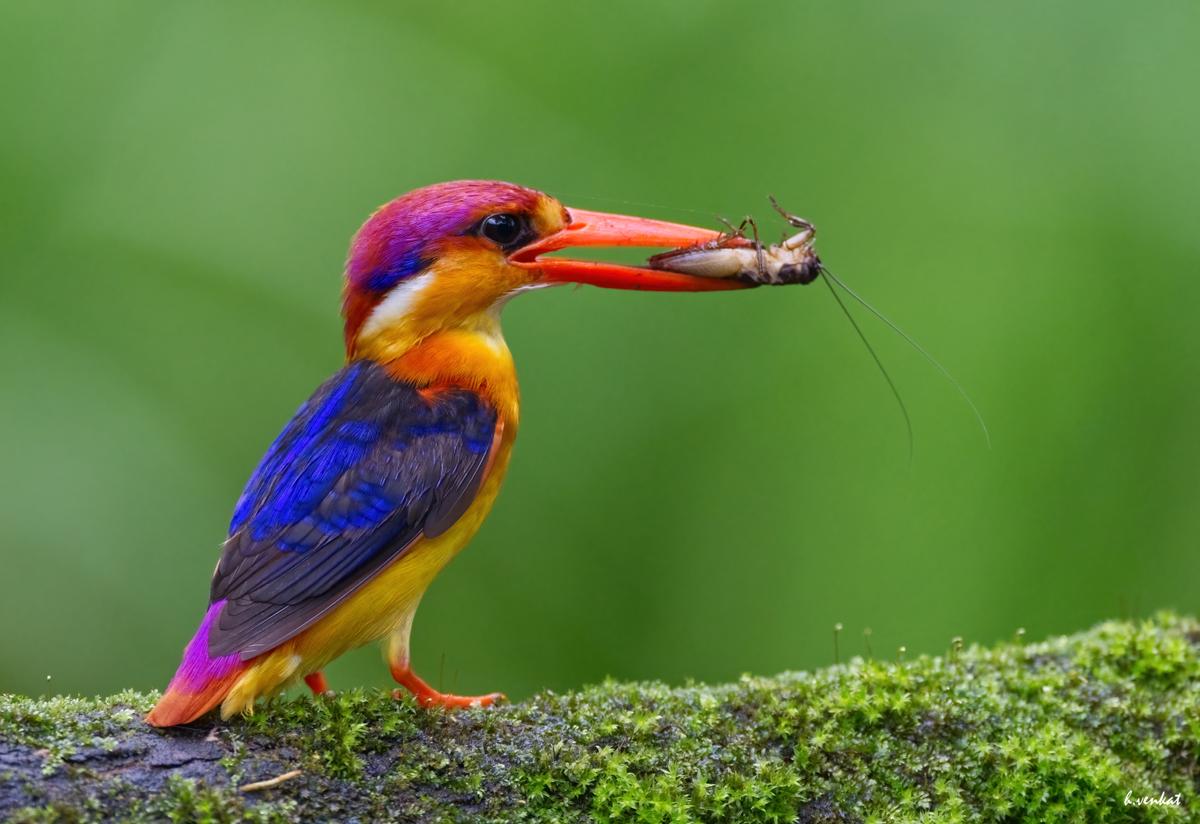
Copyrighted Image. From the author's personal collection.
And before long, you find yourself in harmony with the forest, almost singing along with it, having forgotten the chaos of everyday life.
Enjoying wildlife, photographing it, and sharing those moments with loved ones has become a powerful source of energy for me.
It refreshes me, clears my mind, and brings me back to the daily grind with renewed positivity.
It has been a wonderful journey so far — and one I hope to intensify as the years go by.
The only hitch: I still need to come up with convincing reasons to explain why spending Valentine’s weekend in a forest looking for tigers seems perfectly romantic to me.